


Once a granny flat has its own kitchen, bathroom, bedroom and front door, it can feel like a home in its own right. But when it comes to insurance, it may still be treated as part of the same property as the main house.
That can be good news for homeowners. Building a granny flat does not automatically mean taking out a second home insurance policy. In many cases, the existing policy can cover both buildings, provided the property and its use meet the insurer’s conditions.
The details can change if you rent out the granny flat, use it for short stays or give it its own title. Knowing what applies to your situation makes one more part of the building process easier to manage.
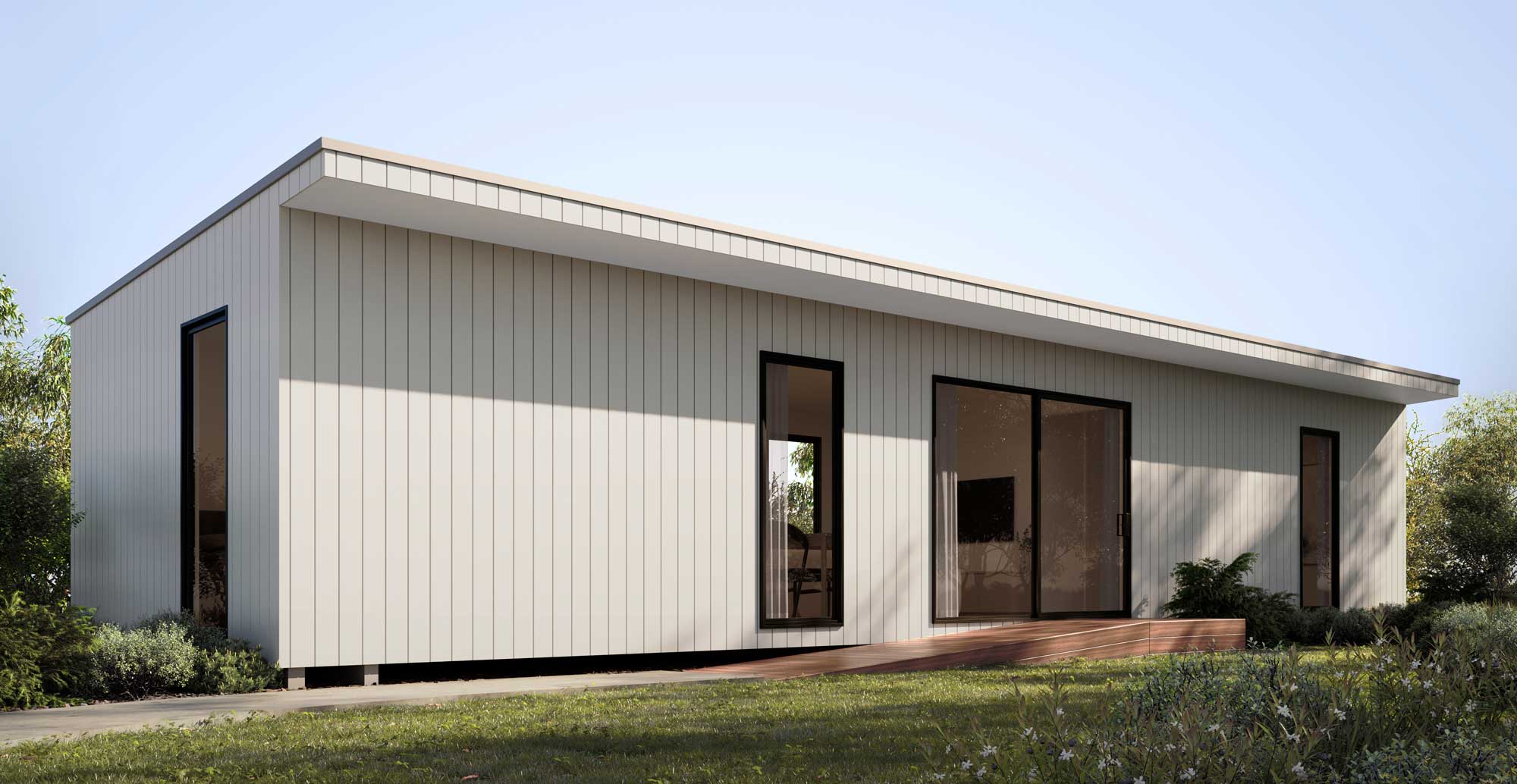
When does home insurance cover a granny flat?
In many cases, a granny flat can fall under the existing home insurance policy when it remains on the same title as the main residence.
Insurers generally look at the property as a whole, although each policy has its own conditions. Some insurers include a granny flat when the owner occupies both dwellings, while others may have different requirements.
The first step is to tell your insurer about the new dwelling and ask how it fits within your cover.
You should also review the building sum insured to make sure it reflects the additional space.
Your building sum insured may need to change
Building insurance covers the cost of repairing or rebuilding the structures included in your policy. It is not the same as the property’s market value.
Once you add a granny flat, there is more property to replace if a major event damages the site. The cost can include the building itself as well as permanent fixtures such as the kitchen, bathroom, cabinetry and built-in services.
Adding a granny flat is therefore a good time to look at the amount you have insured.
This matters particularly if you built your main house several years ago and have not reviewed the policy since. Construction costs change over time, and a new dwelling adds more to the total replacement cost.
What changes if you rent out the granny flat?
A granny flat can serve many purposes. It might give an ageing parent more independence, provide a comfortable space for adult children or create an opportunity for rental income.
Insurance can work differently once you rent the dwelling to someone outside your household.
If you plan to rent the granny flat, let your insurer know before the tenant moves in. Your home policy may still provide some cover, or your insurer may recommend landlord insurance for the rental arrangement.
Short-term accommodation can also have different requirements. If you plan to offer the granny flat as holiday accommodation, check whether your cover allows this type of use before accepting bookings.
Does a separate address mean separate insurance?
Not necessarily, but it is worth checking.
A granny flat that remains on the same title as the main house is different from a dwelling that has been subdivided or given its own legal property status.
If the secondary dwelling has its own title, you may need a separate policy. An additional address can also affect how the insurer records the property.
This is something to clarify when you are considering the property’s ownership structure, rather than after the building is finished.
What about furniture and personal belongings?
Building insurance and contents insurance protect different things.
Building cover relates to the physical structure and permanent fixtures. Contents insurance covers belongings such as furniture, clothing, electronics and other personal possessions.
This becomes important when someone else moves into the granny flat.
If an adult child moves into the space, for example, their personal belongings may need to be covered separately from the homeowner’s contents. A tenant will generally need their own contents insurance for the things they own.
If you furnish the granny flat yourself, check whether those items fall within your contents policy.
Insurance during the build is different
There is also a difference between insuring a completed granny flat and covering the building while it is under construction.
Construction involves its own risks, which is why builder’s insurance forms part of the building process.
At Garden Studios, builder’s insurance is included in the turnkey package, along with the design, engineering, building permit and other elements involved in delivering the finished dwelling. Garden Studios also provides a 10-year structural warranty.
Builder’s insurance and your home insurance serve different purposes. The first relates to the construction process, while your own policy covers the completed property according to its terms.
What should you ask your insurer?
You don’t need to become an insurance expert before building a granny flat. A few straightforward questions can establish how your cover applies.
Ask whether the granny flat counts as part of the insured building and whether your current building sum insured includes the cost of rebuilding it. Tell the insurer who will occupy the space and whether you intend to receive rental income.
If you plan to use it for short-term accommodation, mention that as well.
It is also worth asking whether the insurer has any requirements relating to building approvals or compliance. Keeping the insurer informed as the project progresses can make the final policy update straightforward.
So, does a granny flat need separate insurance?
Not always.
A granny flat on the same title as the main residence may be covered under the existing home insurance, depending on the insurer and how the dwelling is used.
Renting the granny flat, offering it as short-term accommodation, subdividing the property or creating a separate title can change the type of cover you need.
For most homeowners, the starting point is to look at the property as a whole and discuss the new dwelling with their insurer. Once you know how the granny flat fits into your cover, you can make any necessary adjustments with greater certainty.
Insurance may not be the most exciting part of planning a granny flat, but it is a useful detail to sort out alongside the design, permits and construction. With those practical pieces in place, the new space can become a natural part of the property for years to come.